

ADU vs. Home Addition in Charlotte, NC: Which Is the Better Move for Your Property?
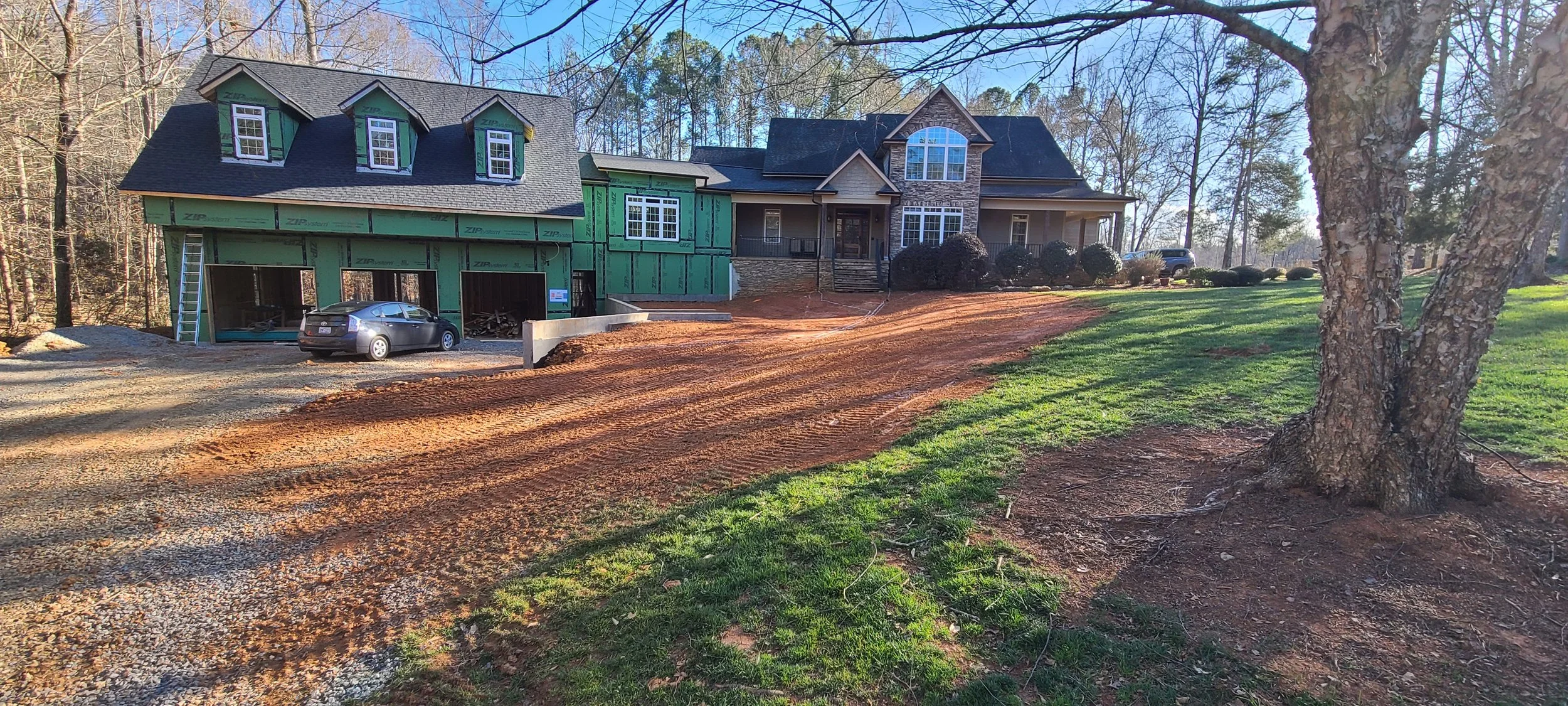
Homeowners usually arrive at this decision with one of three goals: more space, more flexibility for family, or an asset that produces income. In practice, an Accessory Dwelling Unit (ADU) and a home addition solve different problems, even when the square footage is similar.
In Charlotte, the difference is not just design. It is also regulatory pathway, site feasibility, and long-term use case. The right choice depends on how you want to live in the home (or monetize it) over the next 5 to 10 years.
Definitions that matter (not the marketing names)
What is an ADU?
Charlotte defines an ADU as a complete, separate dwelling unit that includes separate cooking and sanitary facilities. It can be attached (for example, a basement conversion) or detached (a backyard cottage).
A critical Charlotte-specific detail: you typically must establish a new address for the proposed ADU as part of the process.
What is a home addition?
A home addition expands the primary dwelling’s footprint or volume, for example adding rooms, a second story, or extending the structure. In Mecklenburg County, additions that increase the footprint require a building permit.
From a code standpoint, additions, alterations, or repairs generally must meet requirements similar to new construction in the areas being built, without forcing the entire existing structure to be rebuilt to modern code.
The real-world decision framework
Choose an ADU when you want:
A second “home” on the same property: separate entrance, separate kitchen and bath, more privacy for guests, aging parents, or renters.
Potential rental income: the City explicitly positions ADUs as a tool for flexible housing and rental opportunity.
Program-based financing opportunities: Charlotte launched the Queen City ADU Program offering up to $80,000 in forgivable, interest-free financing for qualifying projects within city limits.
Choose a home addition when you want:
More functional space that lives like one home: larger kitchen, primary suite, extra bedrooms, bigger family room, etc.
Simpler operations: one set of utilities and one address, typically fewer “land development” edge cases than a detached unit (site dependent).
Maximum lifestyle ROI: additions are often the best answer when the goal is improving daily living rather than creating a second dwelling.
(You can absolutely do an attached ADU-style conversion inside the main footprint, but once you add a second kitchen and treat it as a separate dwelling, you start drifting into ADU territory and permitting complexity.)
Charlotte, NC: Permitting and process differences that affect timeline and risk
ADU path in Charlotte (typical two-step structure)
Charlotte’s guidance calls out two key steps:
City of Charlotte Land Development Individual Residential Lot (LDIRL) Permit to review zoning, stormwater, tree requirements, and site feasibility.
Mecklenburg County Building Permit for construction plan review and code compliance (structural, electrical, plumbing, mechanical).
Charlotte’s ADU guidebook also flags the new address requirement as part of the process.
Home addition path in Charlotte (still permitting-heavy, usually fewer “dwelling unit” issues)
Mecklenburg County Code Enforcement states permits are required for residential work tied to new construction, alteration, repair, and for changes to electrical, mechanical, or plumbing systems.
Mecklenburg’s residential permit quick guide explicitly notes additions that increase a house footprint require a building permit.
Charlotte’s Individual Residential Lot Permit documentation lists additions among the improvements that can trigger the city’s lot-level review framework (important when stormwater or urban forestry reviews apply).
Pros and cons (practical, not theoretical)
ADU: Pros
Privacy and separation (family, guests, caregiver, rental) because it is a complete dwelling unit.
Rental strategy optionality, and Charlotte is actively encouraging ADUs as part of housing supply.
Potential financing support via Queen City ADU Program (eligibility dependent).
ADU: Cons
More regulatory complexity than most additions: separate dwelling classification, LDIRL plus building permit process, and address assignment.
Site constraints are decisive: setbacks, stormwater, and tree rules can make a detached ADU infeasible or expensive on some lots (especially tight, wooded, or heavily sloped sites).
Home addition: Pros
Best for day-to-day living upgrades: you are improving the main home, not managing two units.
Design integration can be cleaner: one HVAC strategy, one electrical service (often), one address.
Clear permit logic: additions that expand the footprint are straightforwardly in “building permit required” territory.
Home addition: Cons
You live through construction more often than with a detached ADU build.
Structural tie-ins can be expensive: rooflines, foundations, and load paths can force more invasive work than homeowners expect.
Zoning and lot review can still bite: especially if you are pushing closer to setbacks or adding impervious area that triggers more stormwater attention.
Side-by-side comparison (Charlotte lens)
CategoryADU (Charlotte)Home Addition (Charlotte)Primary outcomeSecond self-contained dwelling unit Larger primary dwelling Permitting pathLDIRL + Mecklenburg building permit Building permit (and may involve lot-level reviews) AddressingOften requires new address assignment Existing address (typically unchanged)Best use caseFamily separation, rental, long-term flexibility Lifestyle space, larger rooms, better flowRisk profileHigher feasibility risk (site + rules) Higher construction tie-in risk (structure + systems)
How Viro becomes the “best solution” (a process that de-risks both options)
Most homeowners do not fail on design. They fail on feasibility, permitting sequencing, and scope control. Viro should position as a design-build partner that eliminates those failure points.
1) Feasibility-first assessment (before you pay for full plans)
Deliverable: a go/no-go decision with constraints and a preliminary budget range.
For ADUs: confirm the likely LDIRL pathway, address assignment needs, and early site constraints (stormwater, trees, access).
For additions: confirm footprint impacts, permitting triggers, and code touchpoints that could escalate scope (structural, MEP).
2) Permit-ready documentation package (the “reviewer-friendly” set)
Deliverable: a submission set aligned with Mecklenburg plan review expectations and Charlotte lot-permit needs.
Mecklenburg County supports electronic residential plan submittal and reviews construction details for code compliance.
3) Cost certainty through scope lock + allowances (your profit and their predictability)
Deliverable: a clear scope narrative with allowances where owners typically change their minds (kitchens, baths, finishes).
This is where you win trust: homeowners do not hate budgets, they hate surprises.
4) Build execution that respects neighbors and inspections
Deliverable: predictable inspection pass rate and jobsite professionalism, which matters more in Charlotte’s tighter neighborhoods and active permitting environment.
Suggested on-page CTA structure for your blog (high converting)
Primary CTA: “Schedule an ADU vs Addition Feasibility Call”
Secondary CTA: “Request a Site Feasibility Snapshot (LDIRL + Permit Path)”
Trust builders: show your permitting experience in Charlotte and Mecklenburg, plus before/after case studies.
